


Related Features
IMPRESSIONS: The American Tap Dance Foundation's Tap City Awards 2025

POSTCARDS: Tap City, the NYC Tap Festival, Now in its 22nd Year, Returns LIVE July 4-10th for the First Time since the Pandemic!
IMPRESSIONS: Tap City Celebrates 25 Years at The Joyce Theater

By Stacey Menchel Kussell
View Profile |
More From This Author
Published on June 4, 2026
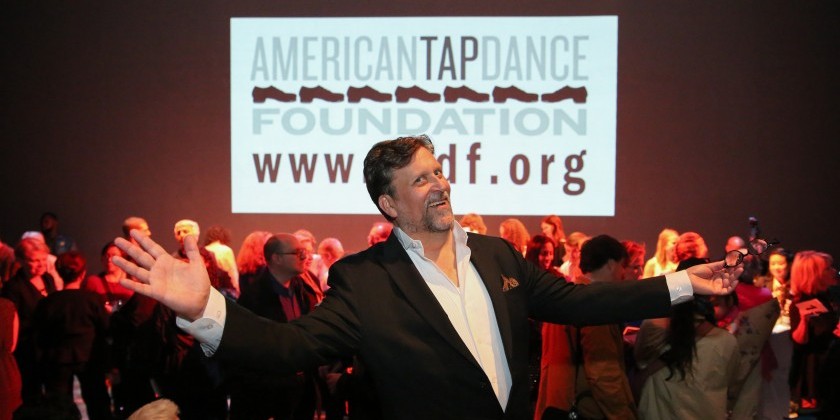
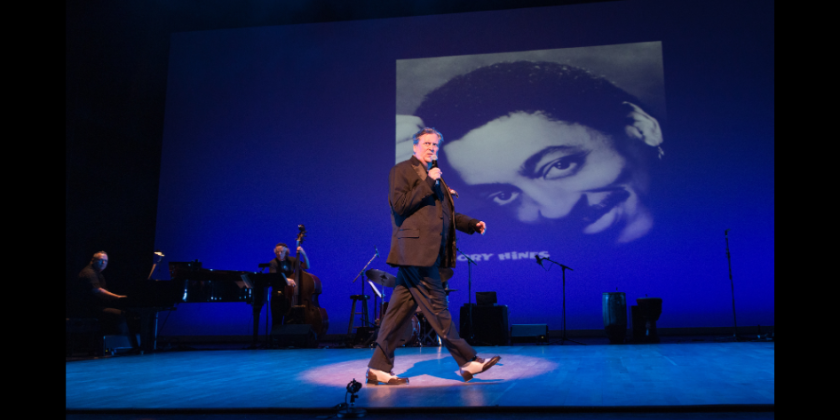
Tap City's Tony Waag. Photo: Amanda Gentile
Founding Artistic Director: Tony Waag
Dancers: Terry Brock, Nathan Bugh, Michelle Dorrance, Dewitt Fleming Jr., Felipe Galganni (aka Xana Dume), Ryan K. Johnson, Lisa La Touche, Jesse Leigh Robinson, John Manzari, Anthony Morigerato, Max Pollak, Jason Samuels Smith, Soles of Duende (Amanda Castro, Brinda Guha, and Arielle Rosales), Caleb Teicher, Tony Waag, and Karen Callaway Williams
Musical Director: Jess Jurkovic // Bass: Joe Fonda // Trumpet and Musical Direction: Ryan Stanbury //Percussion: Okai Musik // Electric Guitar: AJ Jagannath // Vocalist/Piano: Ge Enrique // Saxophone: Susan Goodman Jackson
Lighting Design: Kathy Kaufman // Sound Design: Ken Feldman // Production Stage Manager: Sloane Fischer // Assistant Stage Manager: Kevin Rabinowich
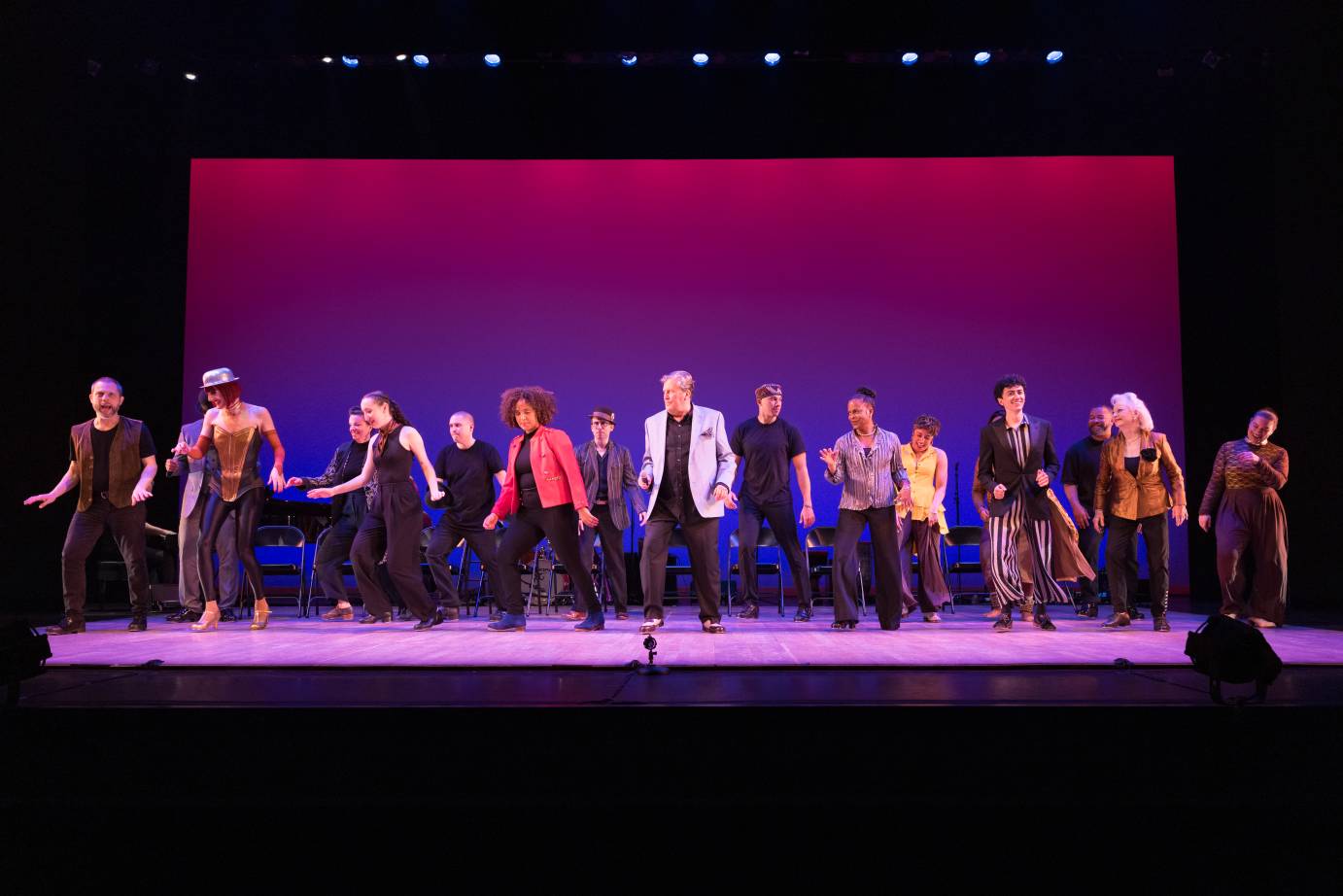
In a recent phone call, Tony Waag, the founding artistic director of the American Tap Dance Foundation, told me that tap is often misunderstood. After seeing the recent performance of Tap City at The Joyce Theater that ran from May 19th to 24th, one thing felt clear to me: as I sat in the audience, smiling and clapping along with the full house of transfixed spectators, I experienced pure joy.
Founded in 2001 by Waag, and originally chaired by the late tap masters Gregory Hines and Hoagy Carmichael Jr., Tap City originated as a festival that included dance classes, lectures, and performances. This year to celebrate its 25th year, The Joyce Theater presented the showcase under the leadership of Waag who brilliantly curated and danced in the program alongside an impressive roster of tap veterans.
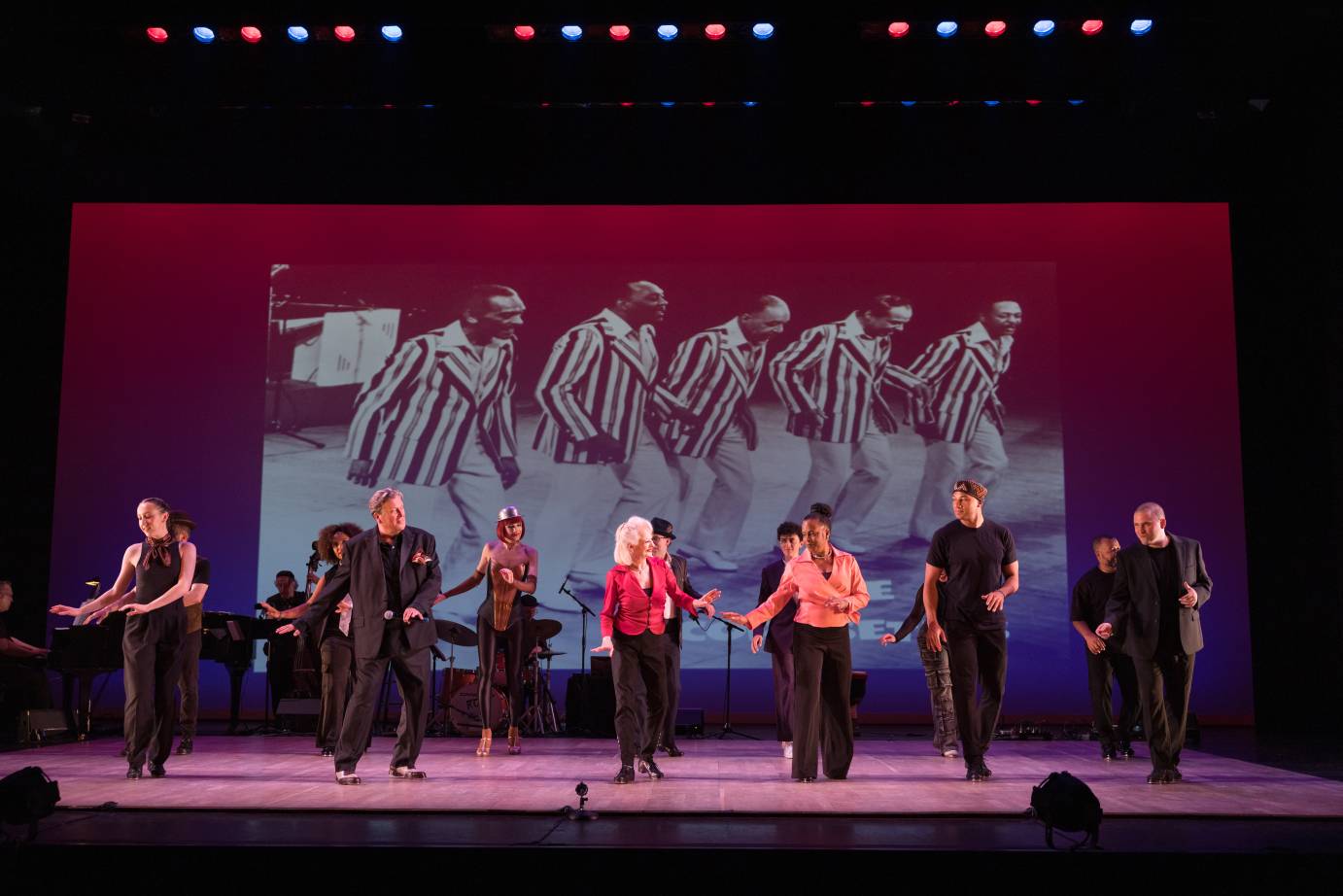
A multi-generational extravaganza, Tap City had an exceptional ability to stay grounded in tradition while remaining highly innovative. In an evening that featured a wide range of percussive choreography, the tappers blurred the boundaries of music, rhythm, and dance.
The Pulse by Ryan K. Johnson and Steam Heat by Max Pollak, exhibited unique interpretations of body percussion. Both performers clapped, stomped, vocalized, and interacted with the audience in different call and response games.
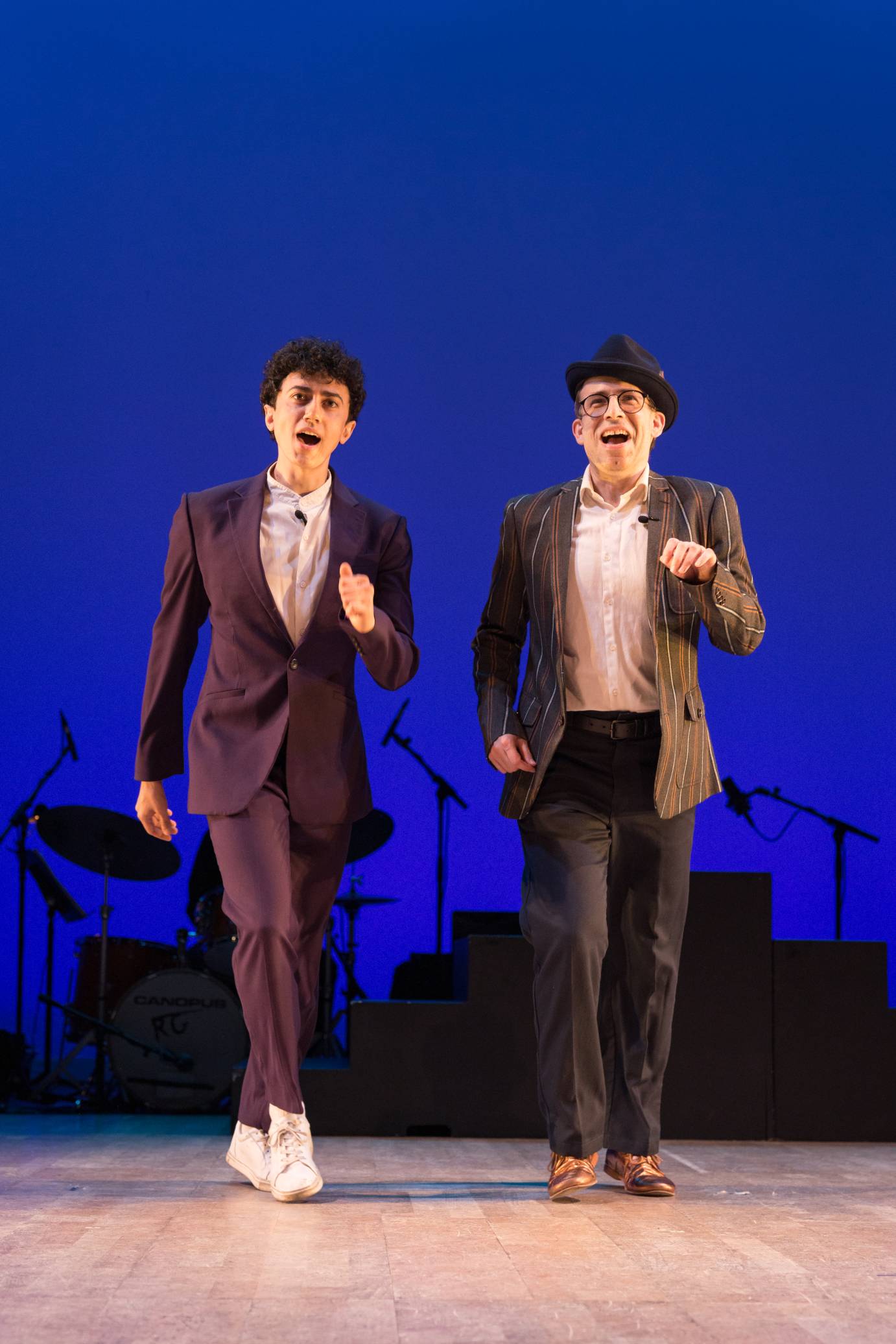
Caleb Teicher and Nathan Bugh sang acapella in Blue Skies, a duet that mixed tap with swing and lindy hop.
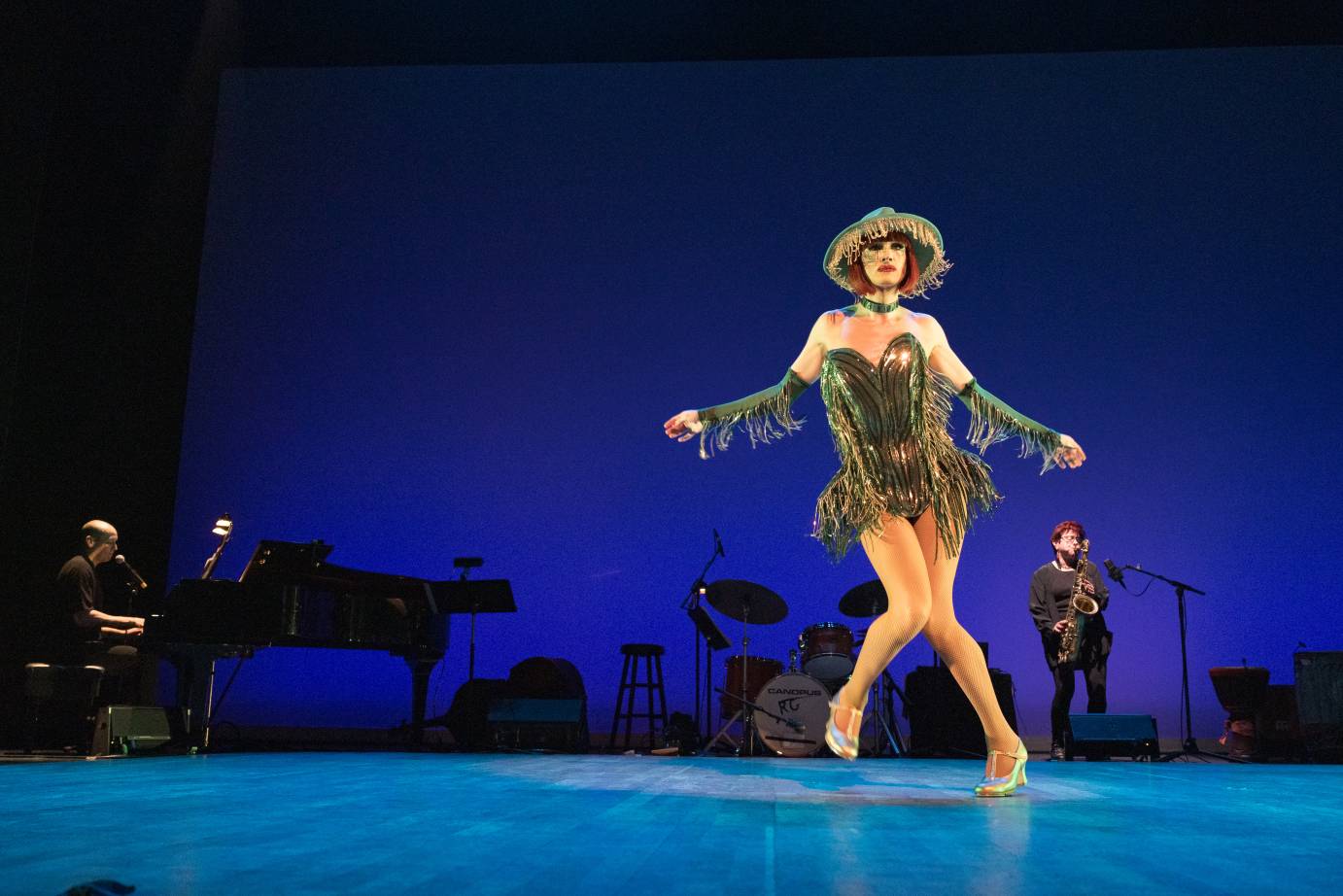
Felipe Galganni aka Xana Dume, performed a sensational drag number entitled Xana Dume that highlighted the textured saxophone of Susan Jackson and vocals of Ge Enrique.
In Intersections with Armstrong, Lisa La Touche honored the great jazz vocalist tapping to Hotter than That, composed by Armstrong’s wife Lil Hardin; and in reverence of Gregory Hines, Waag enchanted with his song and dance rendition of Ellington and Strayhorn’s I’m Just a Lucky So and So.
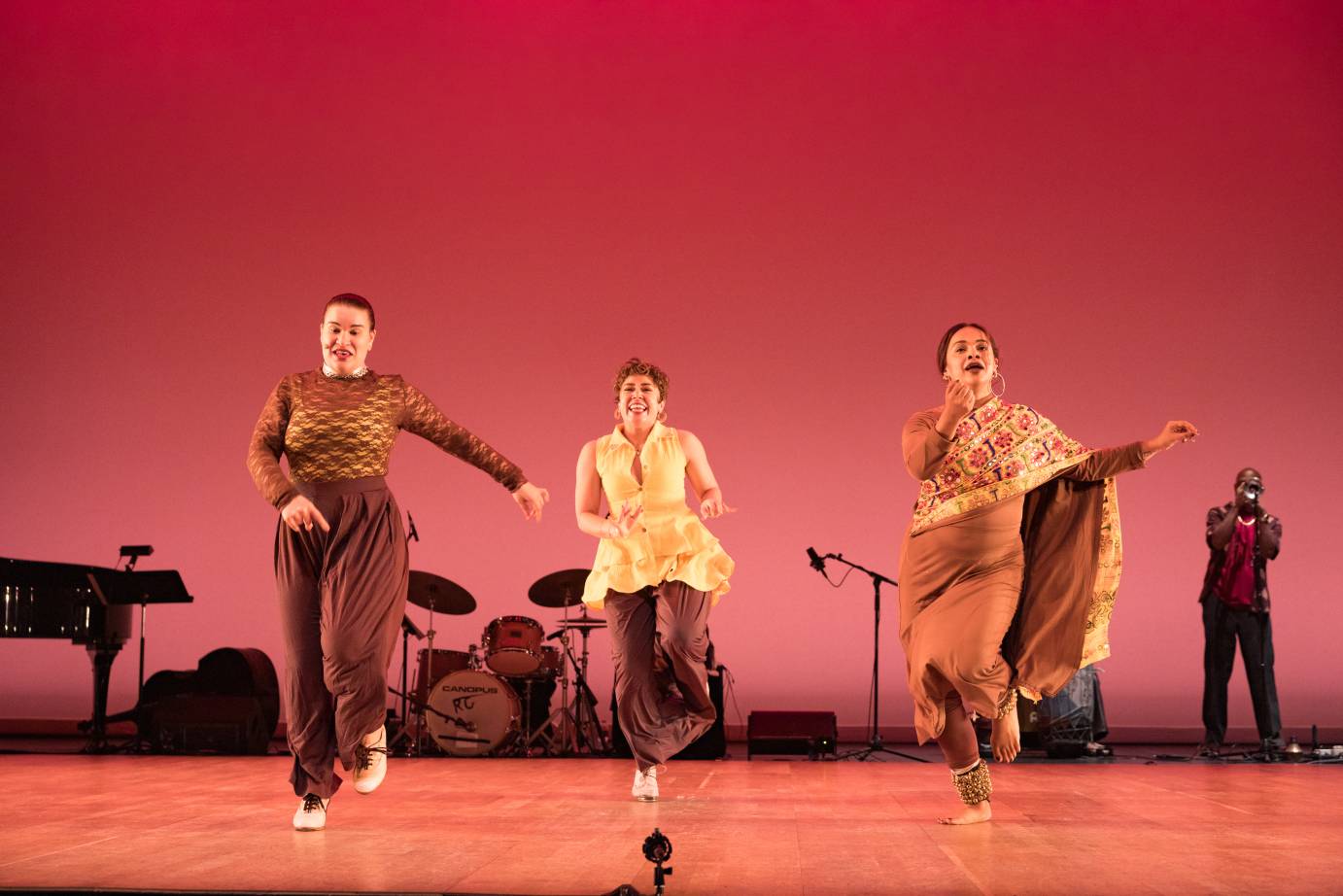
An amalgamation of music, percussion, and theater, Soles of Duende presented an excerpt from The Kitchen. Portraying three women arguing while cooking rice in a tiny New York apartment, the dancers represented a cross-cultural approach to rhythmic dance. Amanda Castro executed flawless time steps while reflecting on her Puerto Rican heritage, Brinda Guha displayed the articulate precision of Indian Kathak dance, and Arielle Rosales astounded with the dramatic speed of Spanish Flamenco. The trio played off the musicians and one another, discovering scintillating connections between the three international choreographic styles.
One of the most striking pieces of the evening was the world premiere of Endless choreographed and performed by Anthony Morigerato. Utilizing a cutting-edge set piece, Morigerato demonstrated his record-winning precision atop a lit, moving turntable. Clad in black suits and black sunglasses, the trio, including John Manzari and Jessee Robinson, juxtaposed ultra slow upper-body movements with rapid-fire footwork. Set to music by Bach and Koreless, the hypnotic vignette transcended time and space.
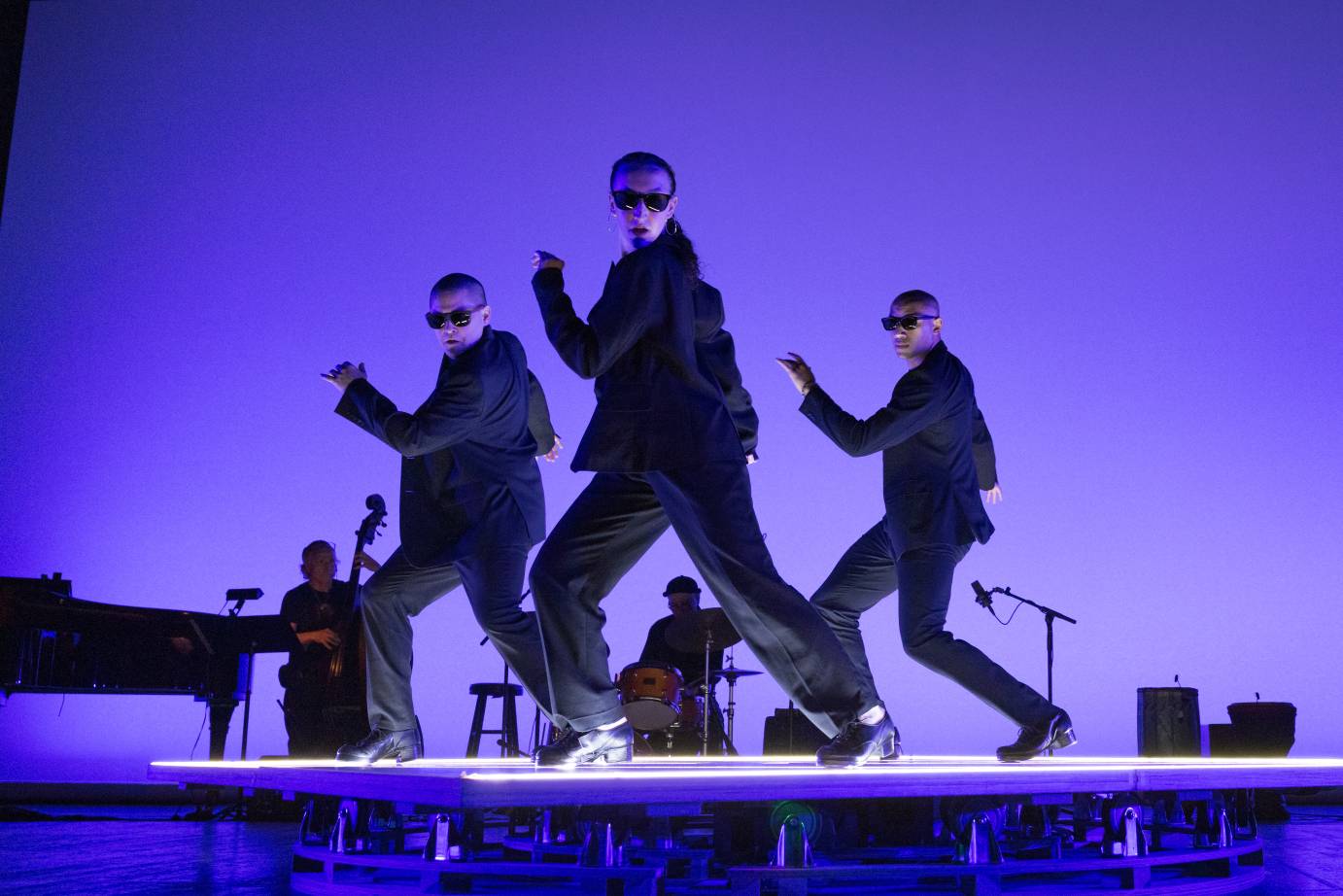
In a phone interview post-performance, Morigerato expressed a plan to develop Endless into a larger installation piece. “I am an avid teacher, and I get so much inspiration from my students. I want to develop tap and open up new possibilities, not only for myself but also for them.”
Morigerato embodies the mentorship so common in tap dance — wisdom passed down in movement from one generation to the next.
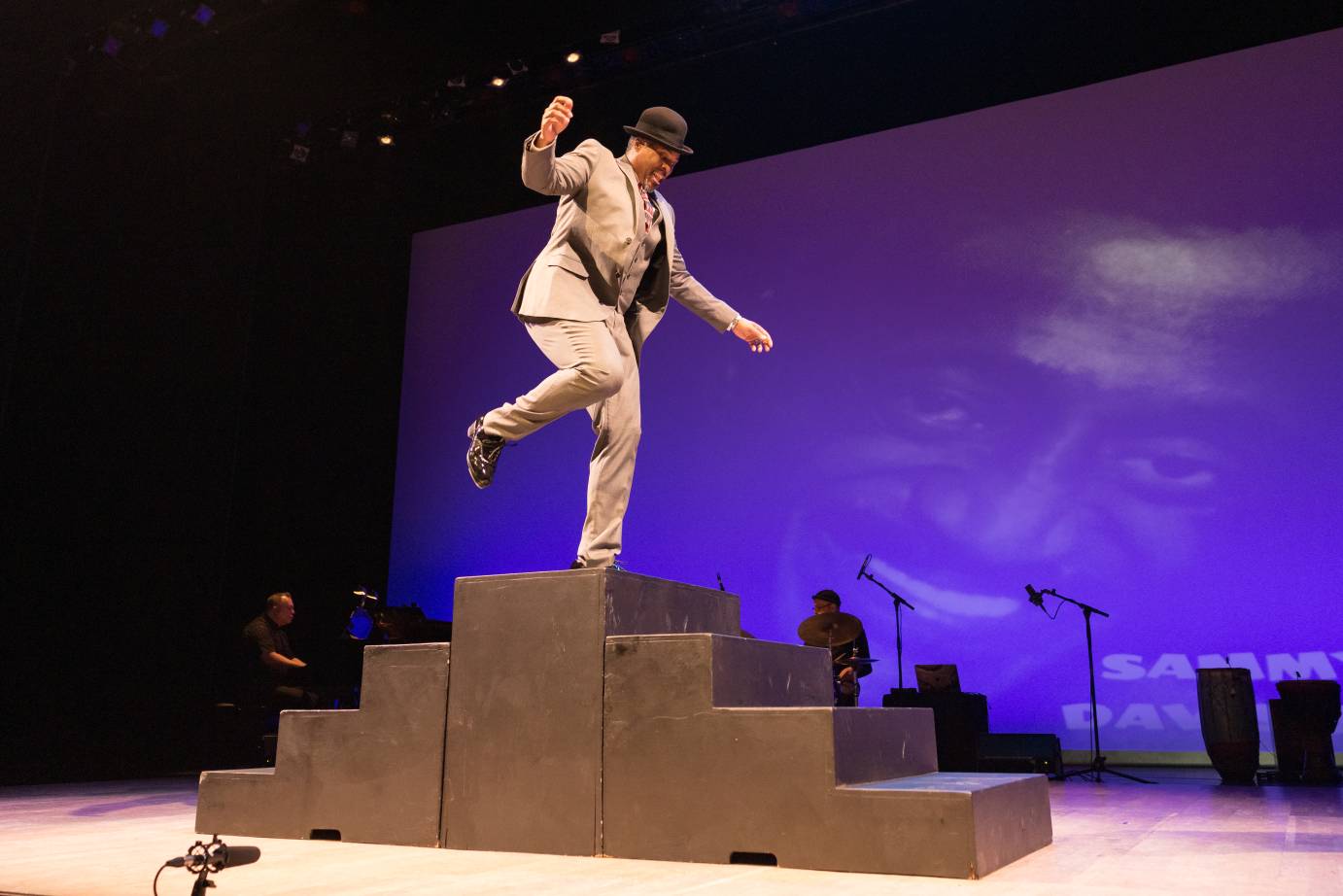
The respect and adoration of the elders was reinforced throughout the show. De Witt Fleming Jr. presented A Tribute to Bojangles Robinson, performing his famous piece on a portable staircase. Jason Samuels Smith blended a mix of classic tap repertory in his dynamic Tribute to the Masters; and Michelle Dorrance shined in My Mind is on Mingus, originally choreographed by tap legend Brenda Bufalino.
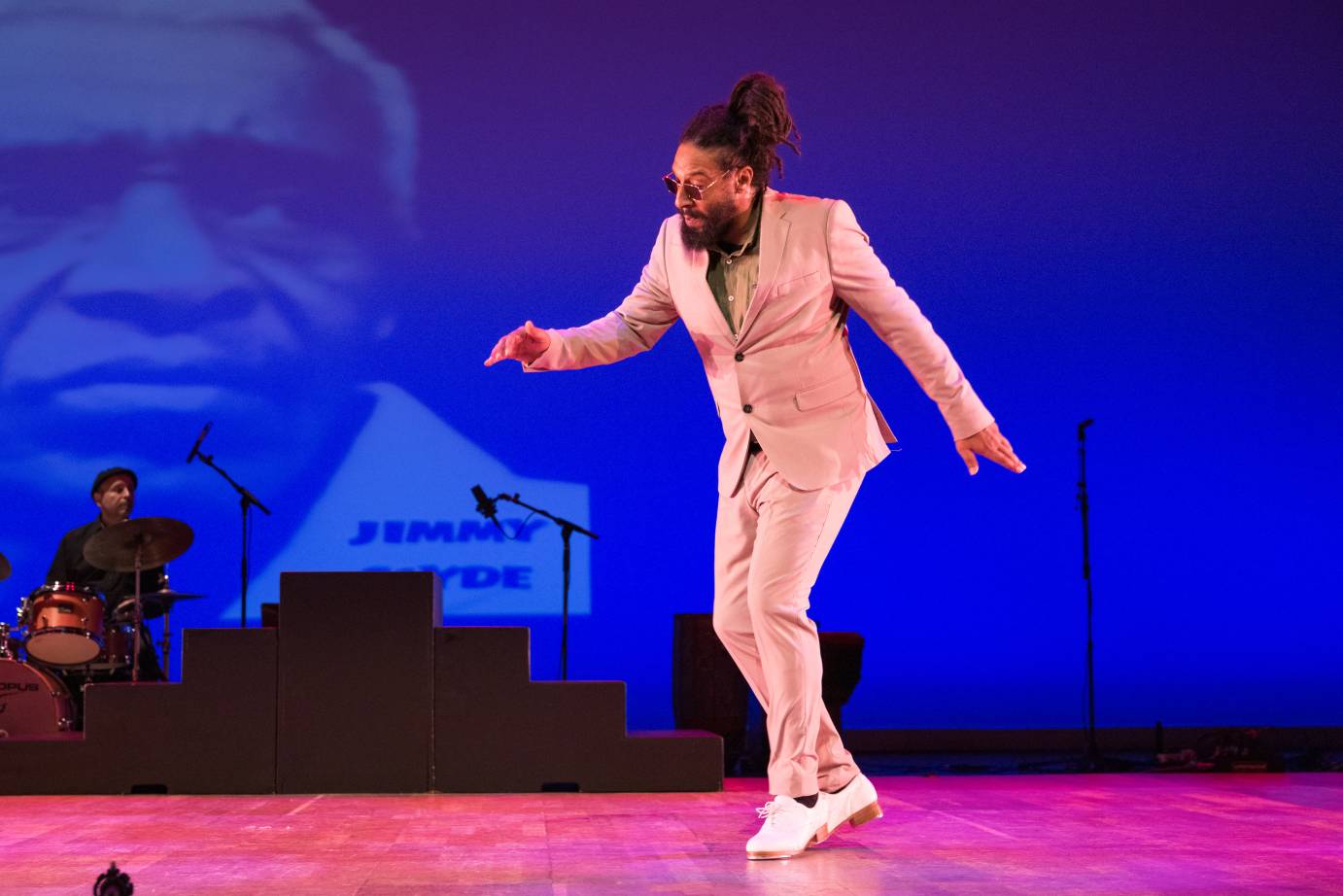
When reflecting on Dorrance’s piece, Karen Callaway Williams, who spoke with me via phone after the show, said she was moved to tears. “Michelle nailed it and captured Brenda’s rhythms effortlessly. It was like she was channeling her spirit.”
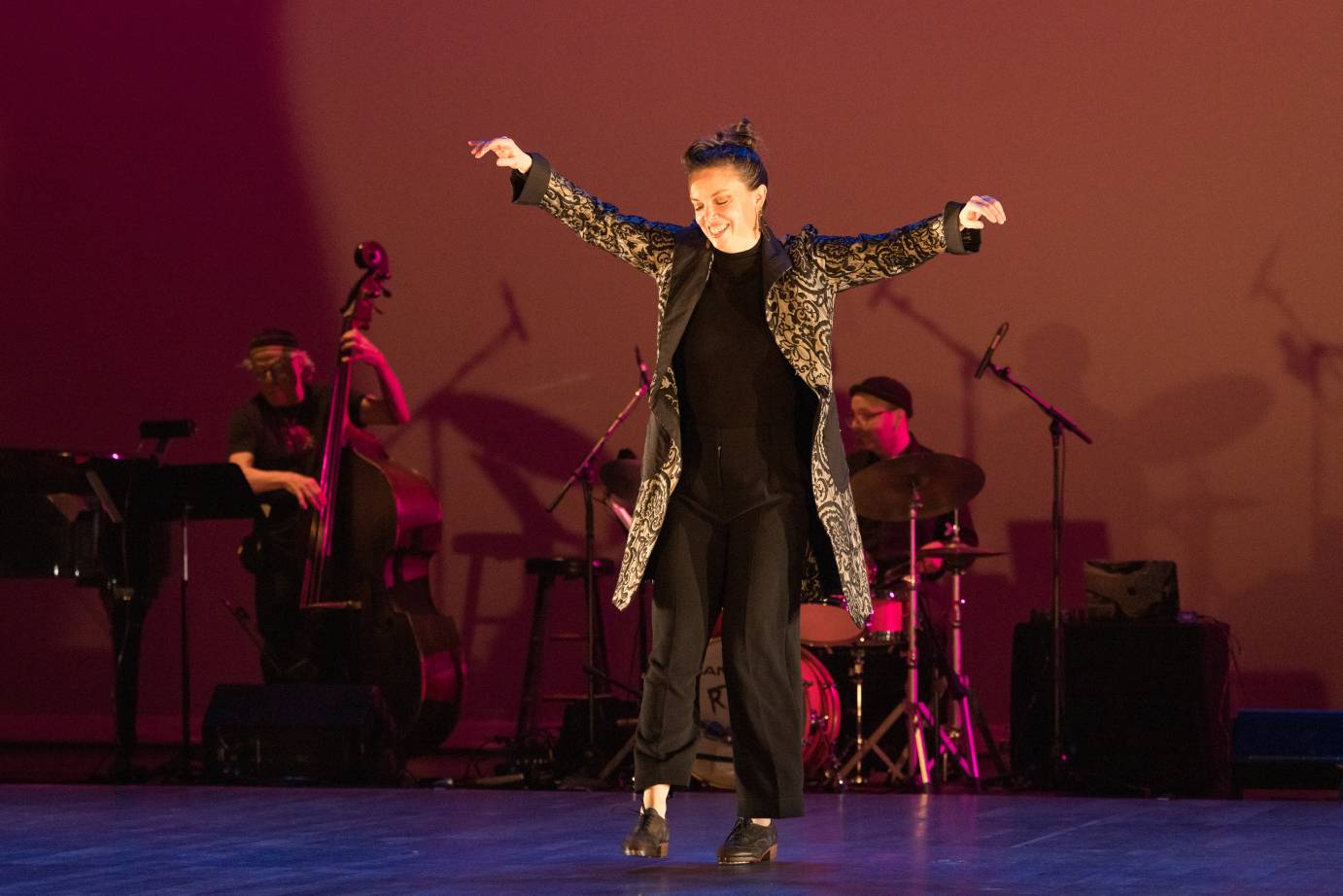
Callaway Williams, the first African-American dancer to perform in Riverdance, exhibited her own exuberant duet with Terry Brock entitled Tribute to the Tap City Divas. Dancing to four excerpts of jazz and rock music in front of video projections of past female dance legends, the two master tappers demonstrated their fluid energy and soulful elegance.
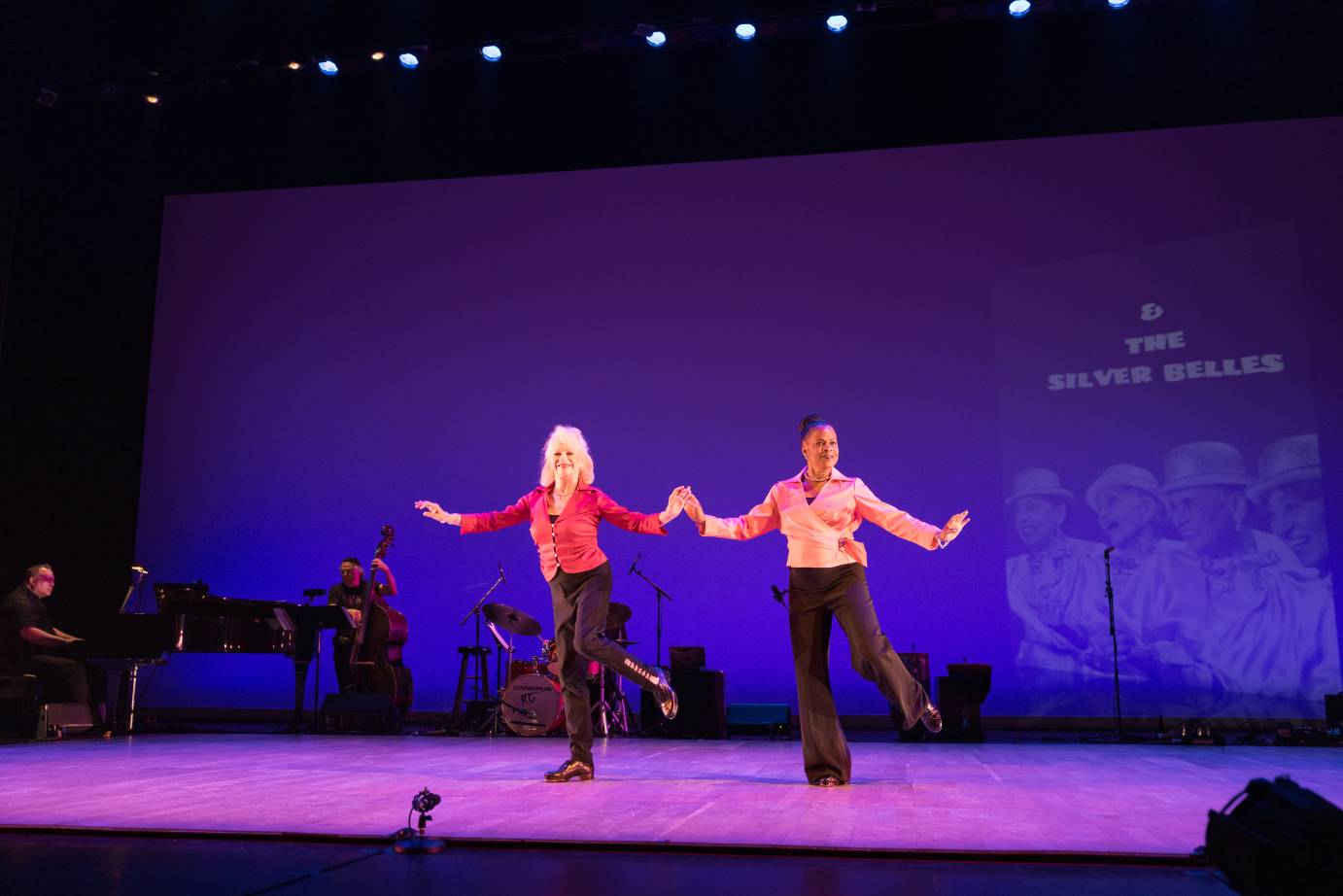
“The tap dance community is really tight knit. The seniors dance alongside the youngsters. We are a family,” said Waag. “Tap dance is such a big part of American history, with deep roots in the African-American experience, and a big part of what we do is to honor the past while pointing to the future.”
Waag remains hopeful that the tap dance will continue to grow and evolve, and he is looking forward to the Tap Awards which will take place on September 11th, at the New York Public Library for the Performing Arts at Lincoln Center. The event will feature performances and archival footage, and will present three awards: The Hoofer Award, The Tap Preservation Award, and recognition into the International Tap Dance Hall of Fame.