




AUDIENCE REVIEW: IMPRESSIONS: Bill T. Jones/Arnie Zane Company at Wagner Park
Company:
Bill T. Jones/Arnie Zane Company
Performance Date:
September 12, 2026
Freeform Review:
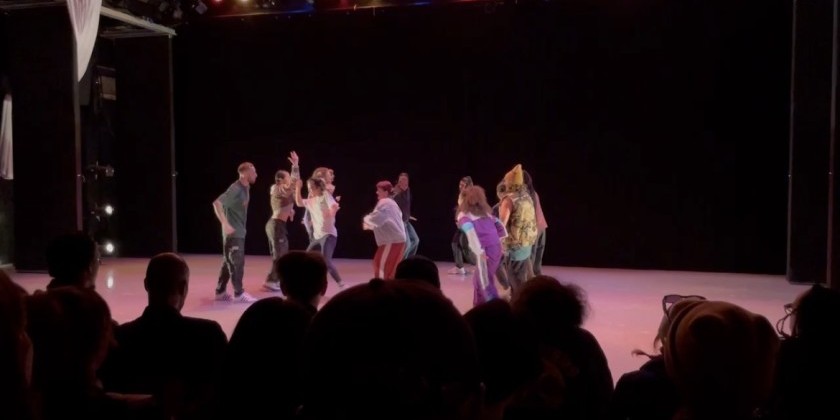
The Bill T. Jones/Arnie Zane Company presented “Curriculum IV: Spin and Spin! Turn! Turn! Turn!” on Saturday, September 12, at Wagner Park. The performance commemorated the 25th anniversary of September 11 with a forceful display of community and resilience. Before the dancing began, the performers stood looking out over the water, with the Statue of Liberty visible behind them. The setting immediately placed the dancers within the city and gave the performance a physical connection to the history it commemorated.
The live music strengthened that sense of connection. Although no orchestra members directly interacted with the dancers, singers occupied the performance space alongside them; rather than remaining two separate entities, the music and dance combined into one display of art. The artists’ voices and bodies became part of the choreography, creating a shared physical presence among all performers.
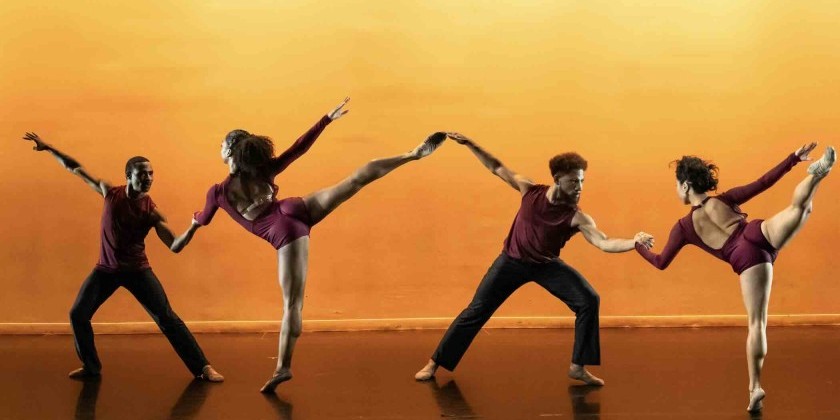
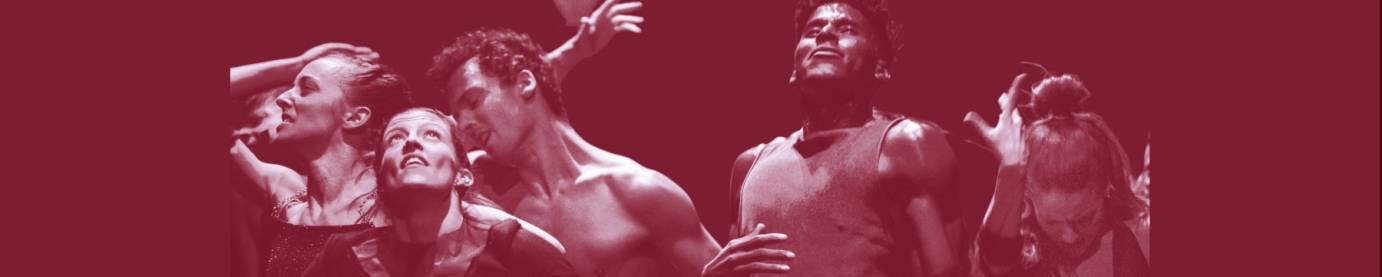
Jones also shifted constantly between solos, duets, and larger ensemble passages. The changing scale gave the choreography a restless energy while revealing different forms of connection between the dancers. The opening female soloist entered at a run, bringing urgency into the space. Later sections slowed dramatically, especially during partnering. Dancers supported, caught, leaned into, and carried one another, adding risk, vulnerability, and new dynamics to the stage. Their physical contact suggested care without requiring an explicit narrative: the dancers repeatedly depended on one another to move through the choreography.
One ensemble passage established a striking chain of cause and effect. As the group danced, one performer ran through the formation and pushed another dancer out of position before taking that dancer’s place. The displaced dancer then ran toward someone else and repeated the action. The pattern continued across the ensemble, turning a simple physical gesture into a continuous cycle. One dancer’s movement triggered another, and the choreography made that relationship visible.
The final section brought the idea of connection into sharper focus. A voice in the score declared, “isolation was shattered,” as the dancers gathered after spending portions of the work separated from one another. The ensemble rose and fell in repeated patterns, moving through partnering and physical exchanges. Jones placed forceful, expansive movement beside moments of tenderness. The contrast made both qualities more pronounced: explosive gestures carried the weight of grief and struggle, while the quieter moments suggested vulnerability and care.
The dancers’ return to the ensemble offered a physical image of people moving toward one another after separation. The choreography held grief, strength, vulnerability, and hope in the same space, turning the final gathering into a reminder that even profound moments of loss do not have to be experienced alone.
Author:
Ashley Petranka