

More Audience Reviews
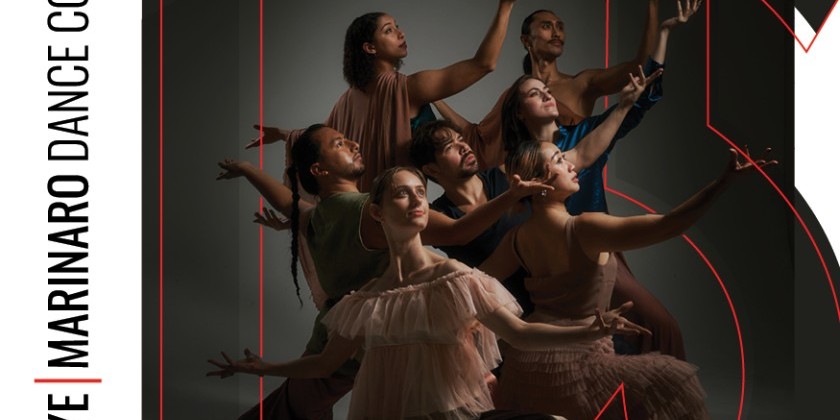
LoCo Dance Company Generates Kinesthetic Empathy with "WAKE UP"

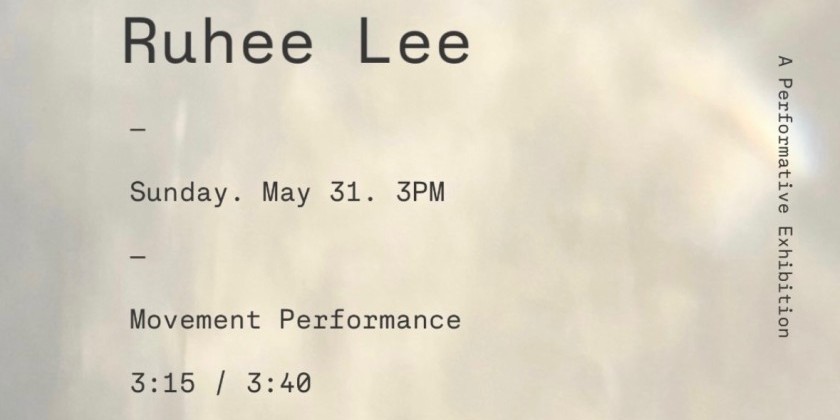
Ruhee Lee's Solo Exhibition
AUDIENCE REVIEW: Review of Ruhee Lee's Performance in Hallelujah
Performance Date:
June.20.2026
Freeform Review:
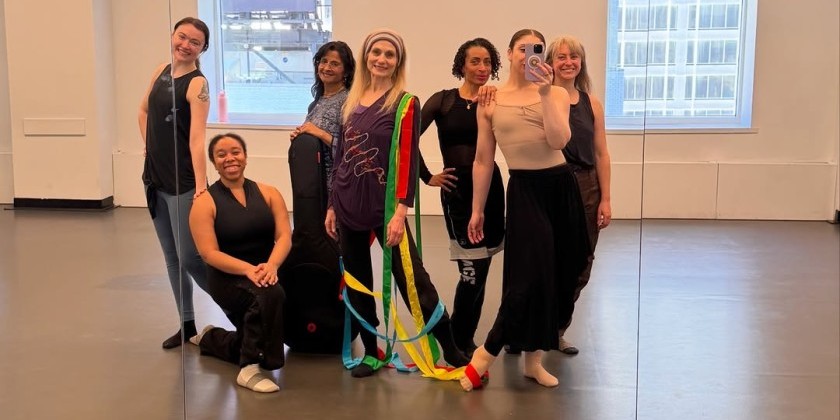
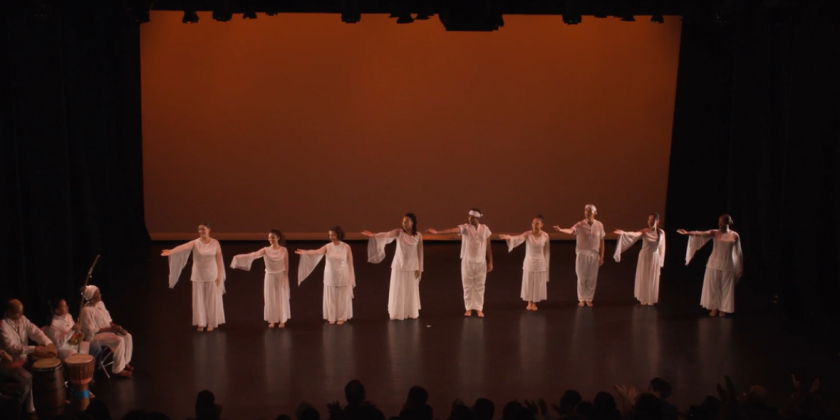
Watching Hallelujah, choreographed by Marcea T. Daiter and presented at the Alvin Ailey Citigroup Theater, was a compelling example of how dance can communicate cultural history through embodied performance.
As a New York–based dancer who recently completed a master's degree in Dance Education at NYU, I was particularly interested in the performers' physical commitment and ensemble awareness. The choreography required sustained rhythmic precision, grounded movement, and an ongoing relationship between the dancers and the live musicians. Rather than relying on technical virtuosity alone, the work emphasized intention, musical responsiveness, and collective presence.
I attended in part because interdisciplinary artist Ruhee Lee was among the performers. Having followed her work across performance and installation, I was curious to observe how her interdisciplinary practice would inform her dancing within a traditional ensemble setting. What stood out most was her consistency of movement quality and her sensitivity to the group's overall dynamics. She demonstrated clear spatial awareness, attentive musicality, and an ability to support the choreography without disrupting its collective focus.
Beyond the individual performances, the production succeeded because of its authenticity. The relationship between movement, rhythm, and live music never felt decorative or theatrical for its own sake; instead, each element reinforced the cultural and historical significance of the work. The performance illustrated how embodied practice can preserve memory while remaining vibrant and relevant for contemporary audiences.
Hallelujah offered more than an evening of dance. It demonstrated how movement can function simultaneously as artistic expression, historical transmission, and communal experience. For dancers and audiences alike, it was a thoughtful reminder that technique gains its greatest meaning when it is grounded in purpose, culture, and shared humanity.