

Related Features

DANCE NEWS: A New Season and an Expansion of The Dance Enthusiast's Audience Reviews
DANCE NEWS: These Are Works & Process’ 2026-2027 Curated and Open Call Residency Artists
THE DANCE ENTHUSIAST ASKS: Maxine Montilus on Radical Self-Love and "Our Bodies, No Apologies"

By Theo Boguszewski
View Profile |
More From This Author
Published on February 3, 2026
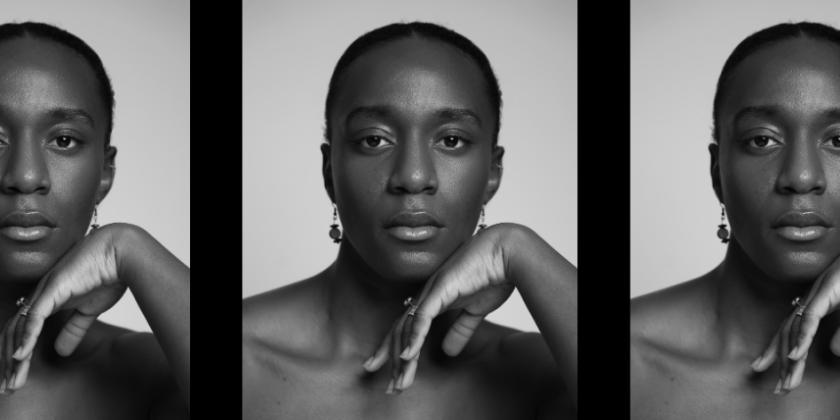
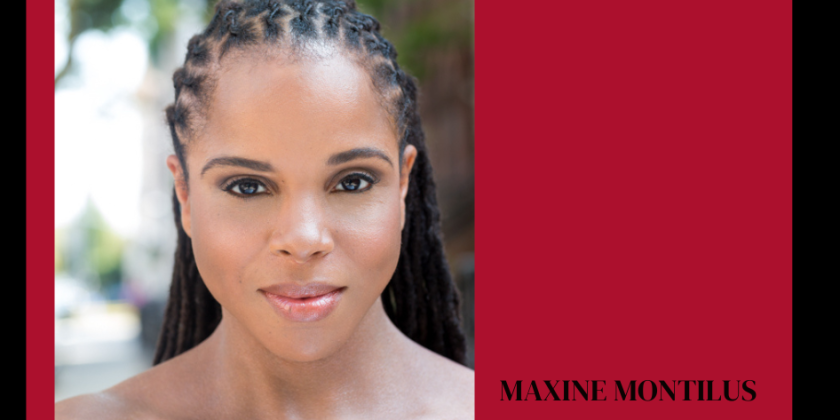
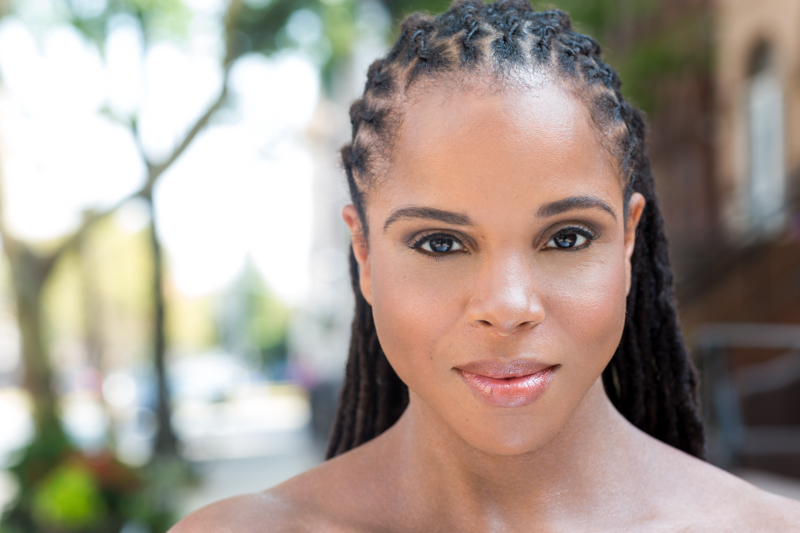
Maxine Montilus. Photo courtesy of artist
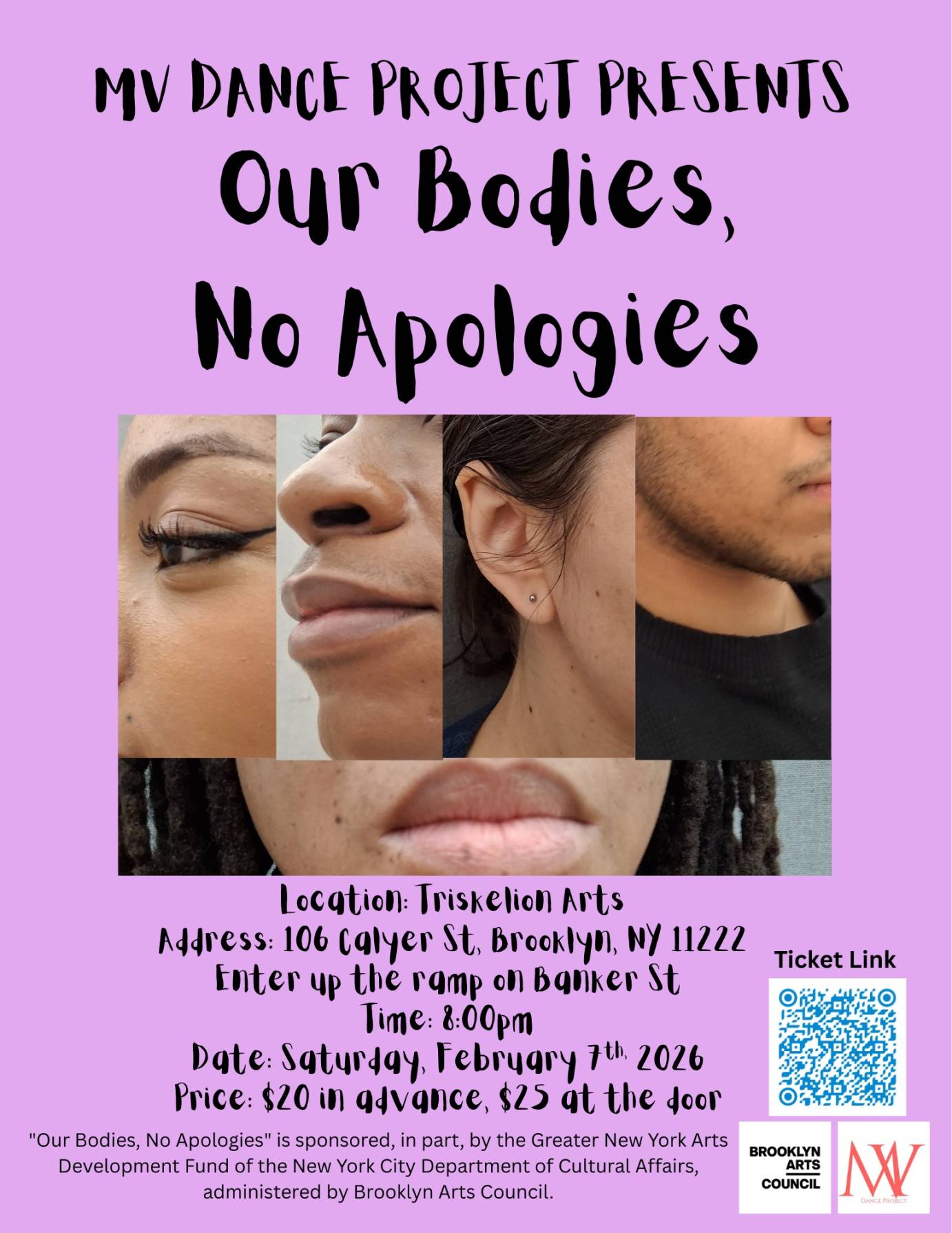
Watch MV Dance Project this Saturday, February 7th at Triskelion Arts
On Saturday, February 7, 2026 at Triskelion Arts, MV Dance Project’s Our Bodies, No Apologies invites audiences to step into an intimate evening of movement, reflection, and radical self-love. Choreographer and founder Maxine Montilus draws on Sonya Renee Taylor’s The Body Is Not an Apology and her own journey — shaped by Haitian heritage and the legacy of her grandmothers — to craft a working environment that centers care, transparency, and social connection. Blending film and live performance, the work amplifies the voices of Montilus and four dancers as they share individual stories about vulnerability and strength.
Speaking with The Dance Enthusiast’s Theo Boguszewski, Montilus reflects on the origins of MV Dance Project, her commitment to building a supportive artistic culture, and why this moment feels urgent for a piece rooted in compassion – for ourselves and others. CLICK HERE for tickets.
Theo Boguszewski for The Dance Enthusiast: Can you share a bit about the origins of MV Dance Project? What inspired you to start the company?
Maxine Montilus: I had been choreographing independently since 2011, doing different showcases here and there. But I wanted a container for my own ideas and my own work. In 2018, I was thinking, “what would I call my own company?” I was named after my paternal grandmother, Marie Maxine Montilus. My maternal grandmother was Veli Pierre. And what inspired me about both of them is that they both gave back to their communities in different ways, using their gifts and resources. I wanted to do the same thing through dance, so I decided to combine their first initials and call my company MV Dance Project.
I had a residency in 2019 with Brooklyn Studios for Dance. As part of the residency I was able to offer Haitian folkloric dance classes to the community at a relatively low price, and I was able to have my first evening-length show with MV Dance Project in 2019. We were gearing up to do another show in 2020. And then, of course, we all know what happened in 2020.
Between then and now, a lot of life was happening. There were losses in my community and in my family, a couple of friends passed away. I was going through shifts in my personal life. I started my MFA at Hunter College in September 2019, and I graduated in May 2021.
The first time I read the book “The Body is Not An Apology” by Sonya Renee Taylor was in Fall 2019. And my MFA graduation project was a piece called My Body, No Apologies. I wanted it to be an in-person show, but because of the pandemic, my project became a film. And I used that film to look at my journey with self love.
The film will be shown as part of the performance this weekend. It’s focused on my journey. But I always envisioned having a group piece to incorporate other people's voices on their journeys with their bodies. I applied for some grants, and was awarded the Brooklyn Arts Fund grant through the Brooklyn Arts Council. So I said, “Okay, well, here we go.” I managed to find four wonderful dancers and we started rehearsals in October.
Was there a particular moment or idea in Sonia Renee Taylor's book, The Body is Not an Apology that made you say, “I need to create a work about this”?
The book had a huge impact on me because it helped me reshape how I think about my journey with my body. My weight has fluctuated throughout my life. I have strong memories from childhood of people getting on me about my body and my weight. I felt this pressure to conform just to get people off my back.
It’s interesting though, surprisingly I haven't had many negative experiences in dance, I think because I found a home in Haitian folklore and Afro-Caribbean dance. I wasn’t trying to go to American Ballet Theater or anything like that.
Nonetheless, I always just felt this pressure to be thinner. But when I read Taylor’s book, she looks at the whole issue; the Eurocentric standard and how that impacts bodies who are outside of that, but also looking at the topic from a social justice lens. If we get back to the core, Taylor believes that we are born with radical self-love. I actually quote her in the show about how we aren’t born hating our bodies. If you look at toddlers, they're touching their feet and looking at themselves in the mirror, enamored with themselves. Taylor says that radical self love is really the core of who we are. If we get back to that core, we can then learn to extend that compassion to other bodies. And that could lead to a more equitable society.
I just love the social justice element of it because obviously there's a lot of injustice in our society. And I've always gravitated to choreographers who do work around social issues. I do have ideological ideas about how I want society to work and be equal for everyone.
I've had this idea for a number of years now, but given what's going on in the world and how there are bodies experiencing various forms of violence, I had a moment last year when I asked myself, “Is doing my art important anymore?” But when I thought about the piece, I was like, "No, this is significant because we're talking about extending love, not only for self, but to others. And Lord knows we need that right now."
You've described the piece as exploring five individual journeys. How did you work with your dancers to develop these narratives?
I show the film about my journey — My Body, No Apologies — in the first half of the show. For the second half, the live performance part, that focuses on the four dancers. And I basically took them through the process that I went through for myself. In her book, Sonya Renee Taylor incorporates what she calls unapologetic inquiries – questions for self-reflection. When I was choreographing my film, I used my answers to those questions to craft the piece. So the process with the dancers was a mix of me choreographing sections, but also giving them prompts from the book to generate their own solos.
The reason that I chose this process is because I don't want to speak for them on what their journeys are about. I want them to share what they want to and what they're willing to present on stage. A lot of it is a mix of text, poetry and dance. So the choreographic process was a mix of conversation and journaling.
What drew you to present at Triskelion Art's and how does the space impact the way that the piece is experienced?
I've been to Triskelion before and I think it's a wonderful space. I love how it's multi-purpose. And I was really impressed by the way Triskelion has everything laid out on the website. It's very clear what's included in your performance packages and rentals. Apparently they modeled their website after spas in the way that they list their services. I want to highlight that because I hope it encourages other spaces to practice that same transparency. I felt encouraged in my conversations with them; they structure their rental packages in a way that's very helpful to the individual artist.
When you talk about radical self-love, what does that look like in practice in your company's culture?
I focus on creating a safe space where everyone feels comfortable expressing themselves. I operate in a space of transparency, and do constant check-ins to see how everyone's doing. And I allow space in each rehearsal for casual conversation, building relationships and making connections with each other, because, you know, we're humans first.
My approach as a choreographer is largely impacted by what I've experienced as a dancer. And I've been very fortunate. Most of my performing experiences have been wonderful. But I do remember moments where I came into rehearsal, and I just would need a minute and I wasn't given that minute. I don't want to reenact those behaviors. I want to make sure that I offer a space where people feel comfortable, especially because we dive into some sensitive material.
How does Our Bodies, No Apologies, fit into the broader artistic mission of MV Dance Projectt?
One of my goals is to present work coverin various social and cultural issues. Even without the political climate we're living in right now, the issue of body image has always been an issue during my lifetime. Whether it be the pressure that girls feel from the media, the way the LGBTQIA community is maligned, orthe pressures on men to be a certain way and not being allowed to be vulnerable, it’s an issue that impacts everybody. Not only do people tend to harm themselves, but there's also people who project that and harm others.
What conversations do you hope this work opens for audience members after they leave the theater?
I hope that it generates space for people to reflect on their body image and self valuation. And also leaves room for reflection on ways in which they may have potentially harmed others, and the biases they may be maintaining.
I find that it's especially hard to have these conversations given the pop culture influences right now, specifically the rise of the use of Ozempic. I know people take it for different health issues, and it’s helpful for some. But the reality is that pressure is there. It's interesting because this is coming after the body positivity moment we had a number of years ago, with people like Lizzo at the forefront. Now I feel like we’re back to the 90s and 2000s, where body dysmorphia was huge and everyone was aiming for a thinner mold. The space for this type of conversation is still necessary given those pressures.
For example, the other night was the Grammys. And don't get me wrong, I thought Teyana Taylor looked amazing. But I saw a lot of commentary online afterwards from people being like, “I need to get into the gym.” Whereas me, I'm focused on getting to the gym so that I'm performance ready. I want to be the strongest Maxine, whatever that looks like.
What's next for you and MV Dance Project?
We are performing this again at BAAD! Bronx Academy of Arts and Dance on March 26th as part of their BAAD!Ass Women Festival. And I didn't publicly announce this yet, but I did get a New York State Council on the Arts grant, with sponsorship by Caribbean Cultural Center. And so I'm going to be building a new work with that later this year.